Pehle Gujarat Dekho

Wild Gujarat: Asiatic Lions, Leopards, Wild Ass, Blackbucks & Marine Wildlife

A wildlife adventure like nowhere else on Earth, witnessing nature’s greatest comeback stories across stunning landscapes. Track the Asiatic lions rescued from near extinction in Gir’s forests, marvel at the Asiatic wild ass galloping across ethereal salt flats, and observe the blackbuck thriving in restored grasslands. There’s also an amazing opportunity to encounter leopards, wolves, foxes, and over 500 bird species—a rare glimpse into the living success of conservation, where endangered wildlife flourishes once again in their ancient homelands.
Day 1: Ahmedabad to Little Rann of Kutch (100 km | 2 hours)
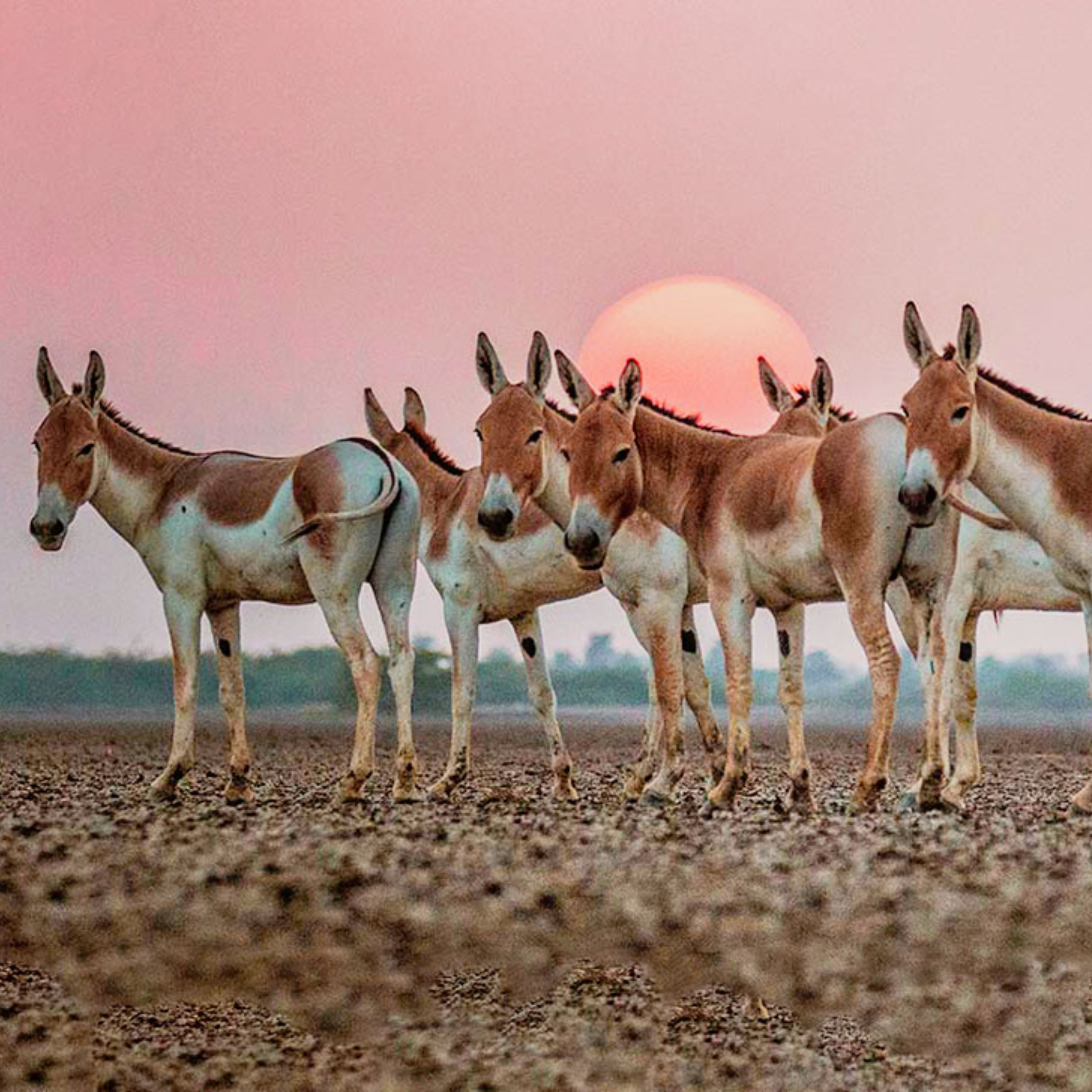
It’s hard to believe, given that it is now a salt-crusted, unique arid desertscape, that the Little Rann of Kutch was once part of the Arabian Sea! The vast arid flats are punctuated by ‘bets,’ which were once islands on the ancient seabed that are now pockets of higher ground covered with grass and scrub. These ‘bets’ support a variety of wildlife, including the ‘Gudkhur’ (Asiatic wild ass), a handsome member of the horse family, which is not found anywhere else globally. They are usually seen in small herds and are capable of galloping at high speeds, which is a wonderful sight to witness. The Rann also supports the desert fox, the jungle cat, the Indian wolf, and a rich birdlife and is truly one of India’s most unique, though less explored regions.
Overnight: Surendranagar Dist, Jhalawar Region, Saurashtra.
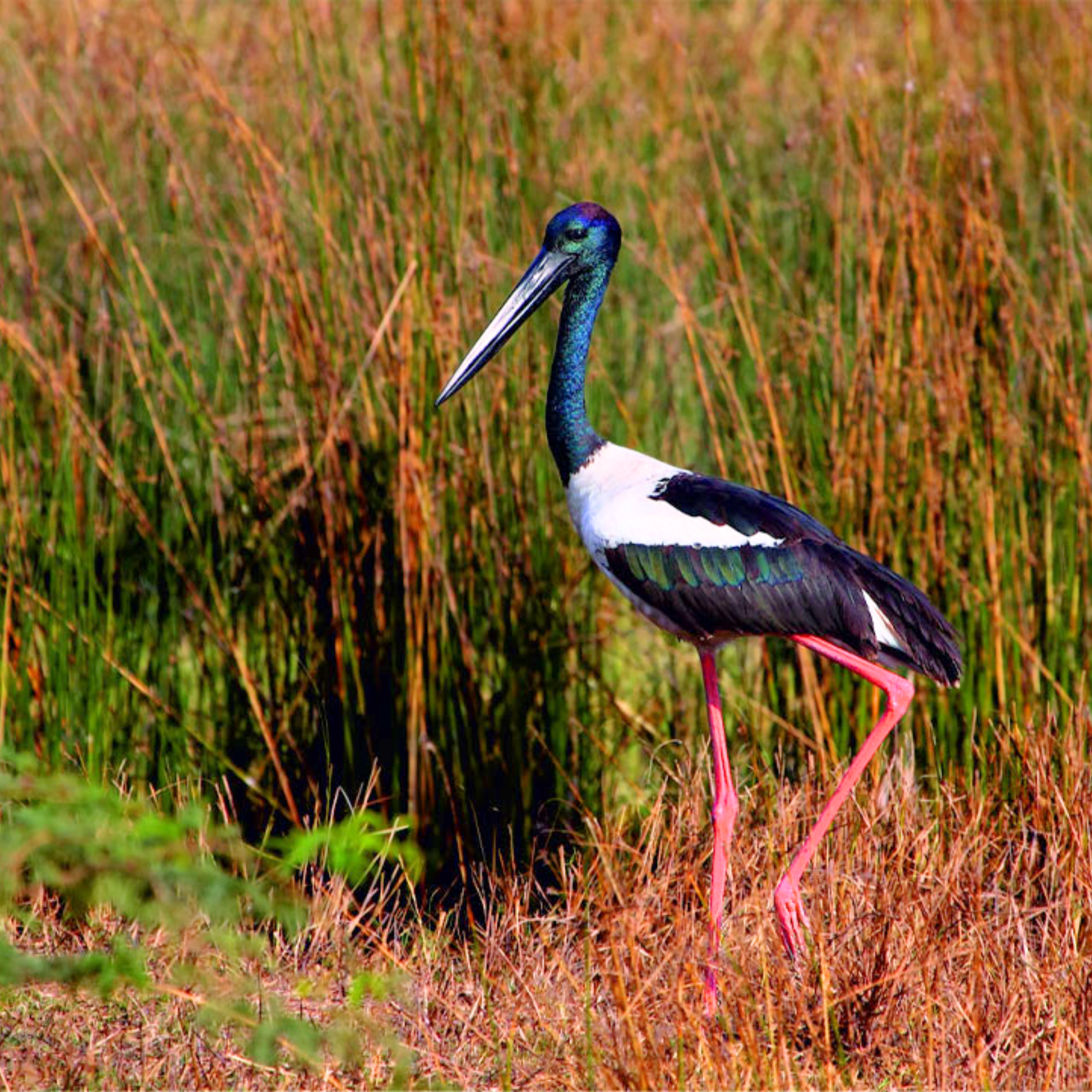
Morning and afternoon jeep safaris provide opportunities to witness the wild ass in their natural habitat, alongside the desert fox, the Indian wolf, and numerous bird species. The sanctuary transforms during the winter months when thousands of migratory birds flock here, including the Greater Flamingos, the Eurasian Wigeon, the Common Teal, and the Demoiselle Crane.
Overnight: Surendranagar Dist, Jhalawar Region, Saurashtra.
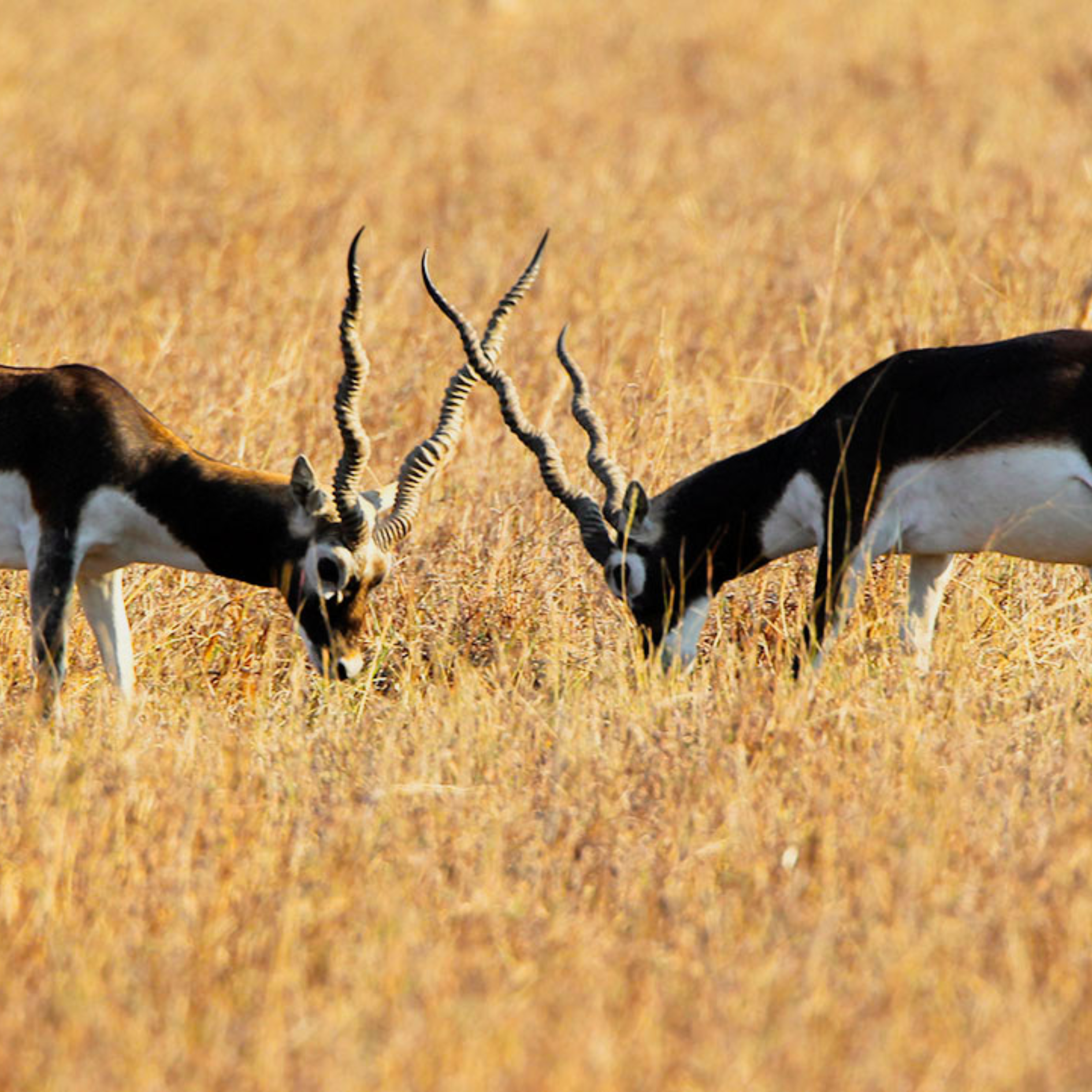
Visit Nalsarovar Bird Sanctuary, just an hour’s drive from Ahmedabad, a serene natural haven spread across 120.82 sq km. Home to over 250 species of birds—including pelicans, flamingos, egrets, herons, and cranes—it is a true paradise for birdwatchers and nature lovers. The Velavadar Blackbuck National Park, whilst relatively small at just 34 square kilometres, is one of India’s few remaining grasslands and the only tropical grassland in India to be given the status of a national park. Created to protect the blackbuck, this sanctuary stretches between two seasonal rivers and supports a rich tapestry of biodiversity, such as 95 species of flowering plants, diverse grasses, and over 140 species of birds. The park is famous for its approximately 1,800 blackbucks—beautiful, fast antelopes where mature males have elegant spiralling horns up to 65cm long.
During your tour, you should also look out for the Indian wolf, the jungle cat and the striped hyenas as they move across the golden landscape.
Overnight: Bhavnagar Dist, Gohilwar Region, Saurashtra.
Morning and afternoon safaris in Velavadar provide excellent opportunities to spot the herds of blackbucks, blue bulls (India’s largest antelope), and, with luck, the Indian wolves that inhabit the sanctuary. The park hosts over 120 bird species, including winter visitors such as harriers from Siberia that number around 2,000 during peak season. Early morning drives offer the best chance to spot wolves, while blackbucks are visible throughout the day, their dark coats contrasting dramatically with the pale green and gold grasslands.
Overnight: Bhavnagar Dist, Gohilwar Region, Saurashtra.
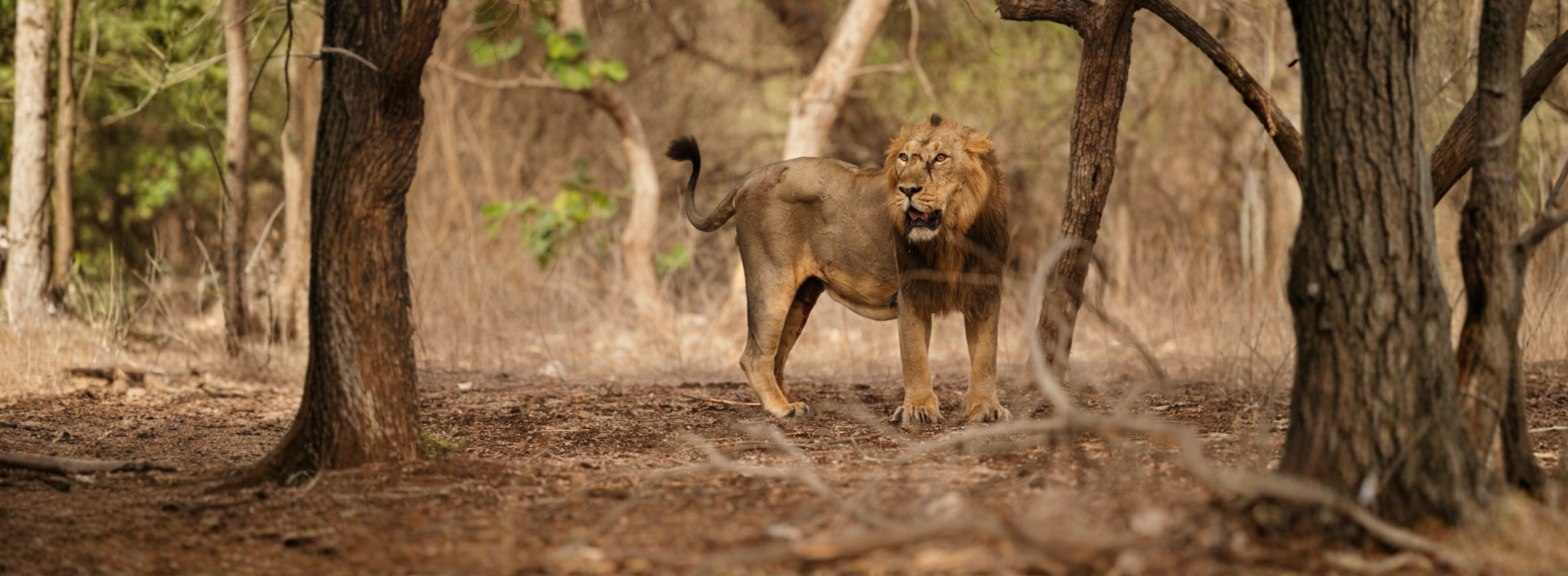
The Gir National Park is the only place in the world to find the Asiatic lion in the wild. Spread across 1,412 square kilometres of forested, hilly terrain, this sanctuary represents the last refuge of these magnificent cats, established in 1965 with a 259-square-kilometre core area declared a national park in 1975. Conservation efforts have dramatically increased lion numbers from barely 20 in 1975 to 891 in the 2025 census. The Asiatic lions are smaller and paler than their African cousins, and have become remarkably accustomed to jeeps and humans, making sightings relatively reliable. The gently rolling, densely forested landscape also harbours a high population of leopards, making Gir one of the best places in India to see these big cats.
Overnight: Junagadh Dist, Sorath Region, Saurashtra.
Morning and afternoon jeep safaris in Gir provide opportunities to spot not only the Asiatic lion but also 37 other mammal species that have thrived under protection. These include the chital (spotted deer), the sambar (large deer), the nilgais (blue bull), the chousinghas (four-horned antelopes), the chinkaras (gazelles), and rarely seen leopards. The park’s diverse habitat supports over 300 resident bird species, making it a paradise for wildlife enthusiasts beyond just the famous lions.
Overnight: Junagadh Dist, Sorath Region, Saurashtra.
Continue on to Jamnagar, gateway to Gujarat’s coastal ecosystems. As afternoon light softens, explore the Khijadiya Bird Sanctuary—a 605-hectare wetland recognised as a Ramsar Site of International Importance in 2022. This sanctuary is remarkable as it features both freshwater and saltwater wetlands divided by a pre-Independence-era check dam, creating diverse habitats for over 220 bird species.
The Flamingos, the pelicans, the spoonbills, the ducks, the egrets, and the herons transform the landscape into a living avian gallery as the evening safari reveals this extraordinary habitat while the setting sun bathes the marshes in golden light.
Overnight: Jamnagar Dist, Halar Region, Saurashtra.
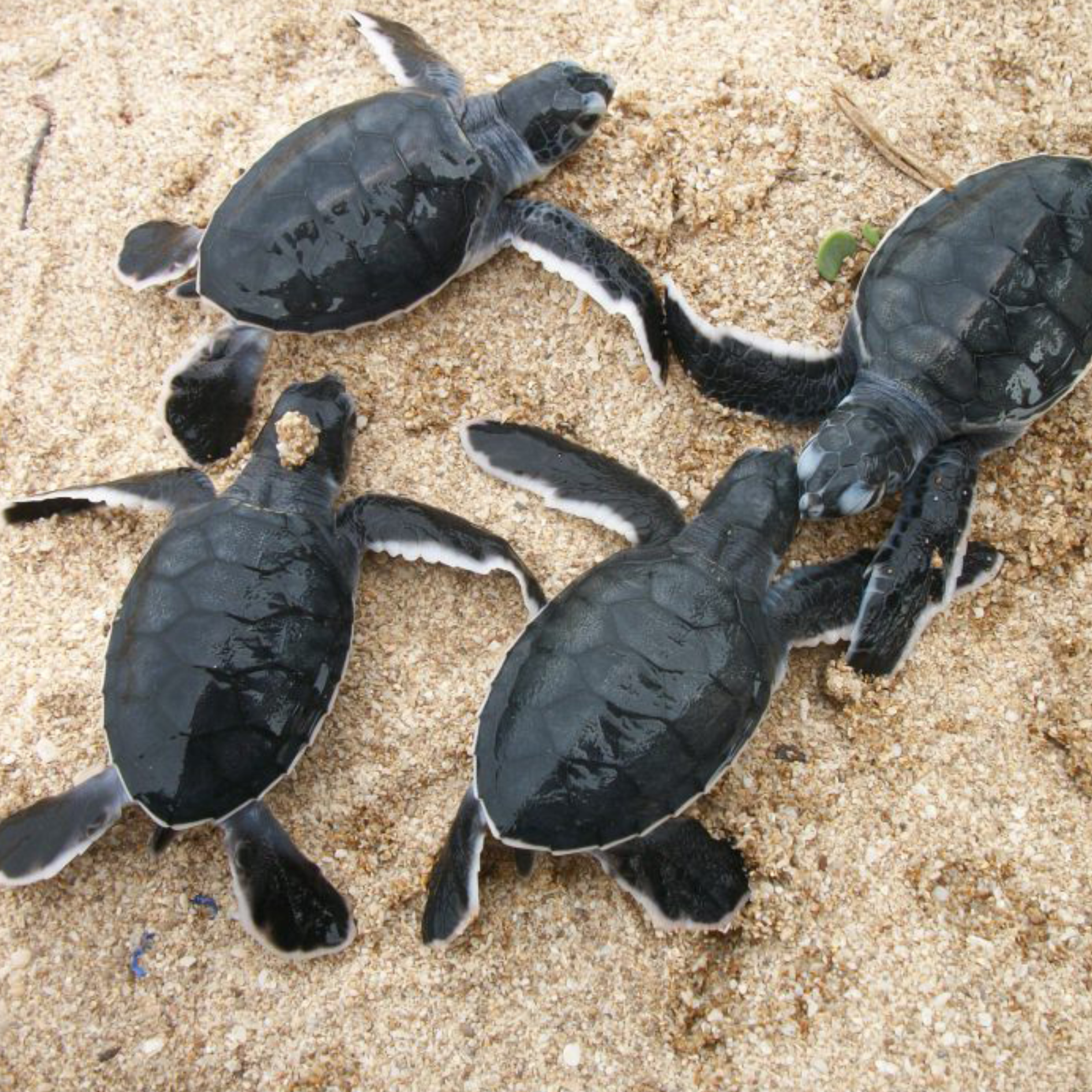
India’s first Marine Wildlife Sanctuary and Marine National Park, established in 1980 and 1982, respectively, cover an archipelago of 42 tropical islands in the Gulf of Kutch. At low tide, it transforms into a living aquarium, revealing the country’s richest diversity of marine habitats, including colourful coral gardens, twisted mangrove roots, and mudflats and rocky shores. The park features 52 coral species, seven mangrove varieties, and guided low-tide walks offer a rare chance to meet these ocean dwellers. You can see giant sea anemones wave their tentacles, technicolour starfish cling to rocks, sea cucumbers inch across the seafloor, and curious octopuses and puffer fish navigate shallow pools. This intertidal wonderland is home to India’s richest diversity of marine ecosystems, where you can explore parts of the intertidal zone on foot at low tide.
Overnight: Jamnagar Dist, Halar Region, Saurashtra.
Transfer to Rajkot International Airport (120 km | 2 hours) concludes this extraordinary exploration of Gujarat’s thrilling wildlife.

More Itineraries

Architectural & Cultural Heritage

A Journey through Princely States, Ancient Architecture, Cultural & Wildlife Treasures.

Architectural & Cultural Heritage

The world’s most complete archaeological journey, where dinosaur hatcheries, ancient trade ports, UNESCO wonders, and living heritage converge.

Living Heritage

A Journey through Ancient Wisdom and Living Heritage.